
Media
Location
70% of the planet

About This Project
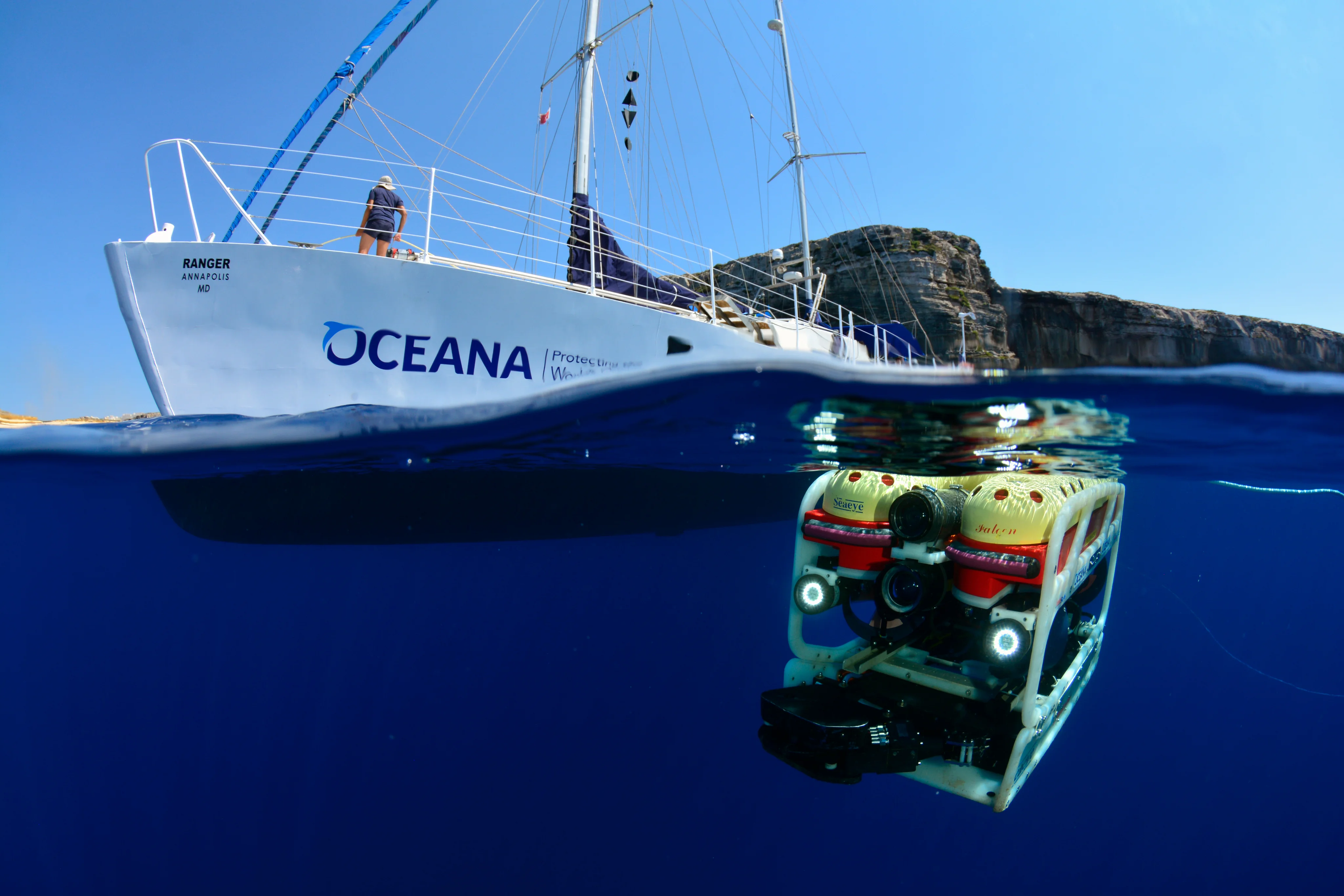
About Oceana
- Oceana is the largest international organization dedicated solely to ocean conservation.
- Since our founding in 2001, we have been rebuilding abundant and biodiverse oceans through strategic policy campaigns that deliver science-based policy solutions.
- Aided by more than 9 million global supporters, we’ve won over 350 victories that stop overfishing, habitat destruction, oil and plastic pollution, and the killing of threatened species like turtles, whales, and sharks.
Why Oceana’s Work Matters
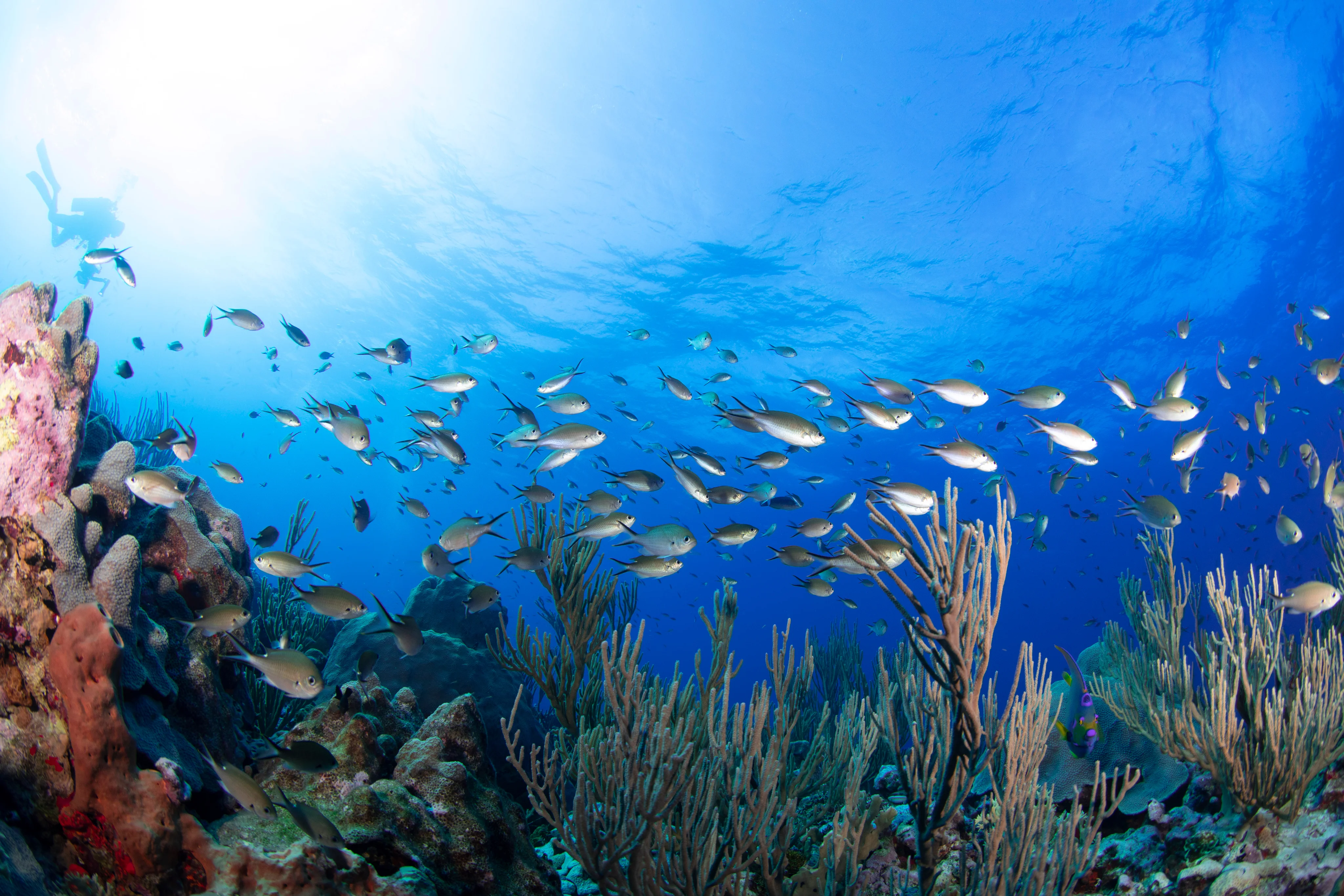
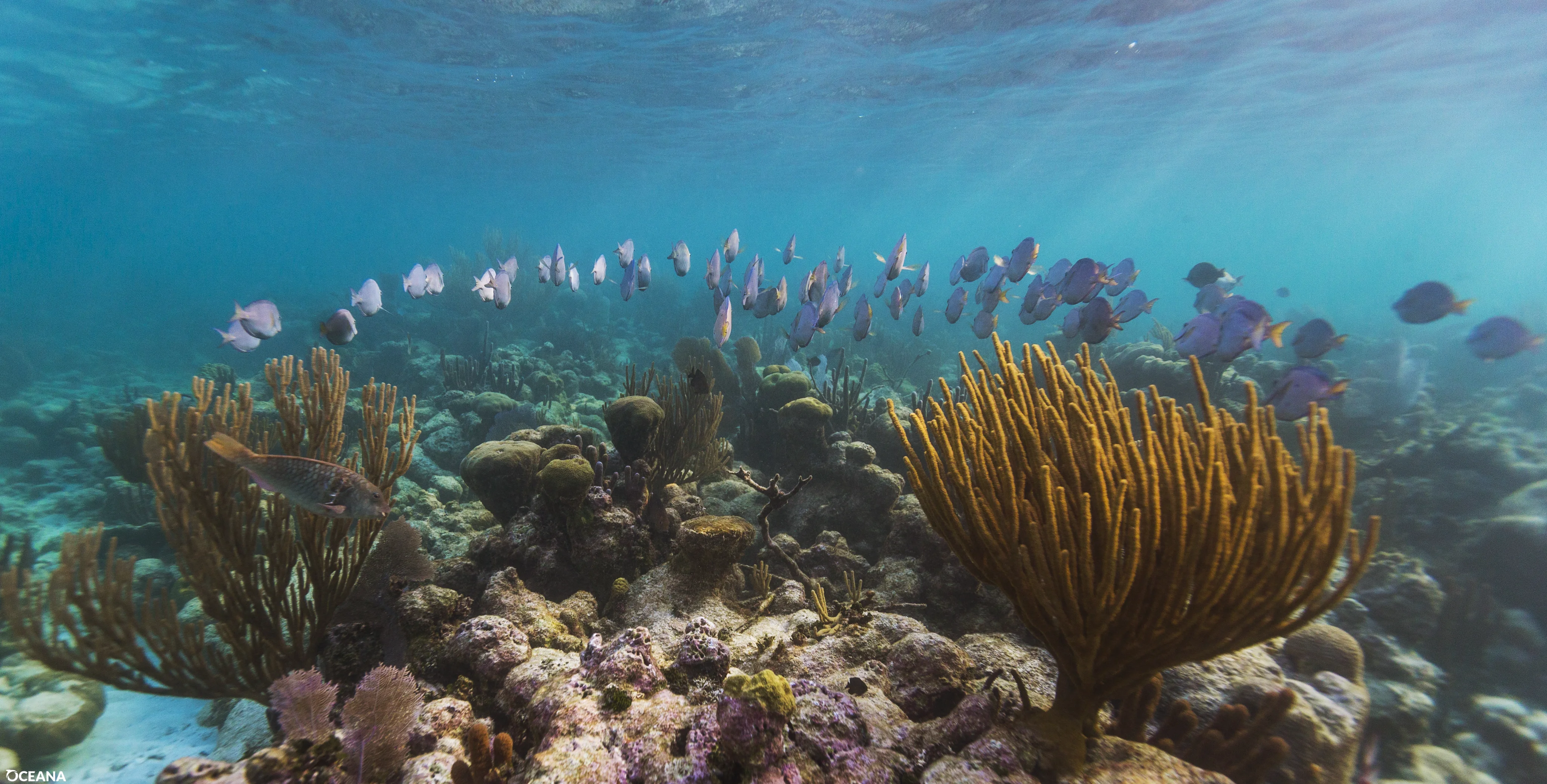
- The oceans are a shared resource, covering 71% of the planet. They are home to most of the life on our planet and play a central role in the world's natural systems, yet only 8% are protected.
- Oceans provide livelihoods to countless fishermen and others worldwide. They feed hundreds of millions of people and have the capacity to feed a billion people a healthy seafood meal every day.
- Stopping the expansion of offshore drilling has the potential to reduce greenhouse gas emissions more than any other ocean-based solutions.
- With two garbage trucks of plastic entering the ocean every minute, plastic is devastating marine ecosystems and animals, like sea turtles, which often mistake plastic for food.
- About 10% of the world’s global fish catch is discarded. Each year, fishing gear harms biodiversity by killing or injuring million of non-targeted animals, like sharks, whales, and dolphins.
Recent Oceana Victories: view all Oceana victories here
- Preventing Entanglement in Fishing Gear: Oceana advocated for innovative “ropeless fishing gear” to prevent endangered whales and sea turtles from becoming entangled in ropes that extend from lobster/crab traps up to the sea surface. In response, California authorized funding for fishers to test the whale-safe gear. On the East Coast, decision makers voted to approve the use of this ropeless gear, which has been effective at reducing North Atlantic right whale bycatch.
- Reducing Plastic Pollution: After years of campaigning by Oceana and our allies, Amazon removed plastic air pillows from its delivery packaging worldwide. In the US, this will eliminate nearly 15 billion plastic air pillows every year.
- Rebuilding Fisheries: Oceana won protection for an important cod nursery on Georges Bank in New England, beating back an attempt to open this protected area to heavy dredges that drag along the seafloor, damaging habitat and scooping up everything in their path. Oceana persuaded decision makers that this type of fishing is in conflict with preserving the area for spawning, growth, and feeding of Atlantic cod, American lobster, and Atlantic herring.
Facts About Dugongs (Team Dugong)
- Dugongs are a close relative of the manatee and are called “sea cows”. While manatees have a paddle-like tail, Dugongs have a fluke-like tail, similar to a dolphin’s.
- They are slow-moving, herbivorous marine mammals that spend their days grazing vegetation like seagrass.
- They are exclusively found along Indo-Pacific coastlines, mostly staying in shallow waters near reefs, estuaries, inshore islands, shallow bays, and mangrove systems.
- They are social animals and are usually found in groups ranging from just a mother and calf to up to 200 individuals.
- Threats to dugongs include:
- Being caught as bycatch in fishing gear
- Habitat loss
- Climate change
- Boat strikes
- People can help dugongs by supporting policies that end destructive fishing practices, protect marine habitats, and stop marine pollution.
- Oceana is working to protect threatened marine wildlife and safeguard vital ocean habitats globally by advancing the goal of protecting 30% of the ocean by 2030.